
Common Jewelry Damage and How to Avoid It
Fine jewelry is made to be worn and enjoyed, but even the highest-quality pieces can show signs of wear over time. Everyday activities, improper storage, and lack of routine maintenance can lead to scratches, loose gemstones, bent prongs, and tarnished metals. The good news is that many common types of jewelry damage can be prevented with a few simple habits.
At McGough & Company in Whitefish, we help our customers protect their investment with professional jewelry care, cleaning, inspections, and repair services. Here are some of the most common types of jewelry damage and how you can avoid them.
Scratches on Gold, Silver, and Platinum Jewelry
Precious metals naturally develop small scratches with regular wear. Gold, especially higher karat gold, is softer than many people realize. Even platinum can show signs of everyday use over time.
To minimize scratches:
Store each piece of jewelry separately.
Remove rings and bracelets before gardening, exercising, or lifting heavy objects.
Avoid stacking multiple rings unless they are designed to be worn together.
Have heavily worn pieces professionally polished when needed.
Proper jewelry storage is one of the easiest ways to protect your favorite pieces from unnecessary surface damage.
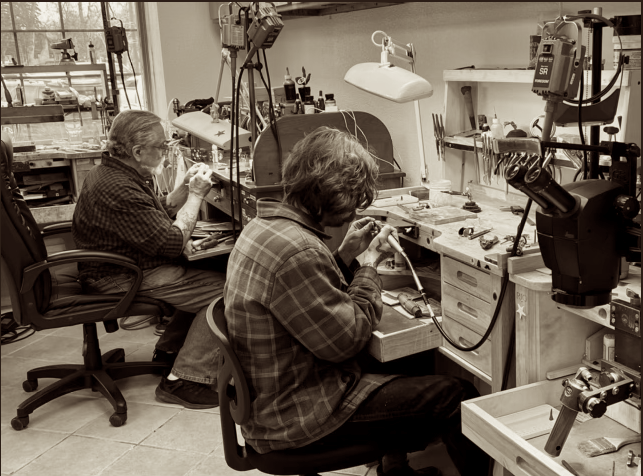
Loose Gemstones
A loose diamond or colored gemstone is one of the most common jewelry issues jewelers see. Everyday bumps and repeated wear can slowly loosen prongs or settings without you noticing.
Watch for these warning signs:
A stone that moves slightly when touched.
Prongs that appear bent or uneven.
A ring that catches on clothing more often than usual.
Scheduling regular jewelry inspections can help identify worn prongs before a gemstone is lost. Most jewelers recommend having fine jewelry inspected at least once a year, if not twice.
Bent or Worn Prongs
Prongs are designed to securely hold gemstones in place, but they are subject to daily wear. Over time, they can thin, bend, or wear down from contact with hard surfaces.
Help protect your settings by:
Removing rings before sports or physical work.
Avoiding unnecessary impacts against countertops and equipment.
Having worn prongs repaired as soon as they are noticed.
Prompt repairs are often much less expensive than replacing a lost gemstone.
Tarnished Sterling Silver Jewelry
Sterling silver naturally reacts with air and moisture, causing tarnish to develop over time. While tarnish does not permanently damage silver, it can dull its appearance if left untreated.
To reduce tarnishing:
Store silver jewelry in airtight containers or anti-tarnish bags.
Keep jewelry away from humid environments.
Clean silver regularly with a polishing cloth designed for jewelry.
Avoid exposure to household chemicals and chlorine.
Professional jewelry cleaning can safely restore silver's original shine.
Broken Chains and Clasps
Necklaces and bracelets experience constant movement, making chains and clasps vulnerable to wear. Pulling on tangled chains or sleeping in necklaces can weaken delicate links.
Protect your chains by:
Fastening clasps before storing jewelry.
Hanging necklaces or placing them flat in separate compartments.
Removing necklaces before sleeping or exercising.
Having worn clasps replaced before they fail.
Small repairs completed early often prevent more extensive damage later.
Damage From Household Chemicals
Many common household products can affect fine jewelry. Cleaning solutions, bleach, chlorine, hairspray, perfume, and even some lotions can damage metals or leave residue on gemstones.
To keep jewelry looking its best:
Apply lotions, perfume, and cosmetics before putting on jewelry.
Remove jewelry before cleaning your home or swimming.
Rinse jewelry with clean water if it comes into contact with harsh chemicals.
Limiting chemical exposure helps preserve both gemstones and precious metals.
Pearls and Soft Gemstones Require Extra Care
Pearls, opals, turquoise, and emeralds are more delicate than diamonds or sapphires. They can scratch more easily and may be sensitive to chemicals or sudden temperature changes.
Store these pieces separately in soft fabric pouches and avoid ultrasonic cleaners unless your jeweler recommends them. Gentle handling helps preserve their natural beauty.
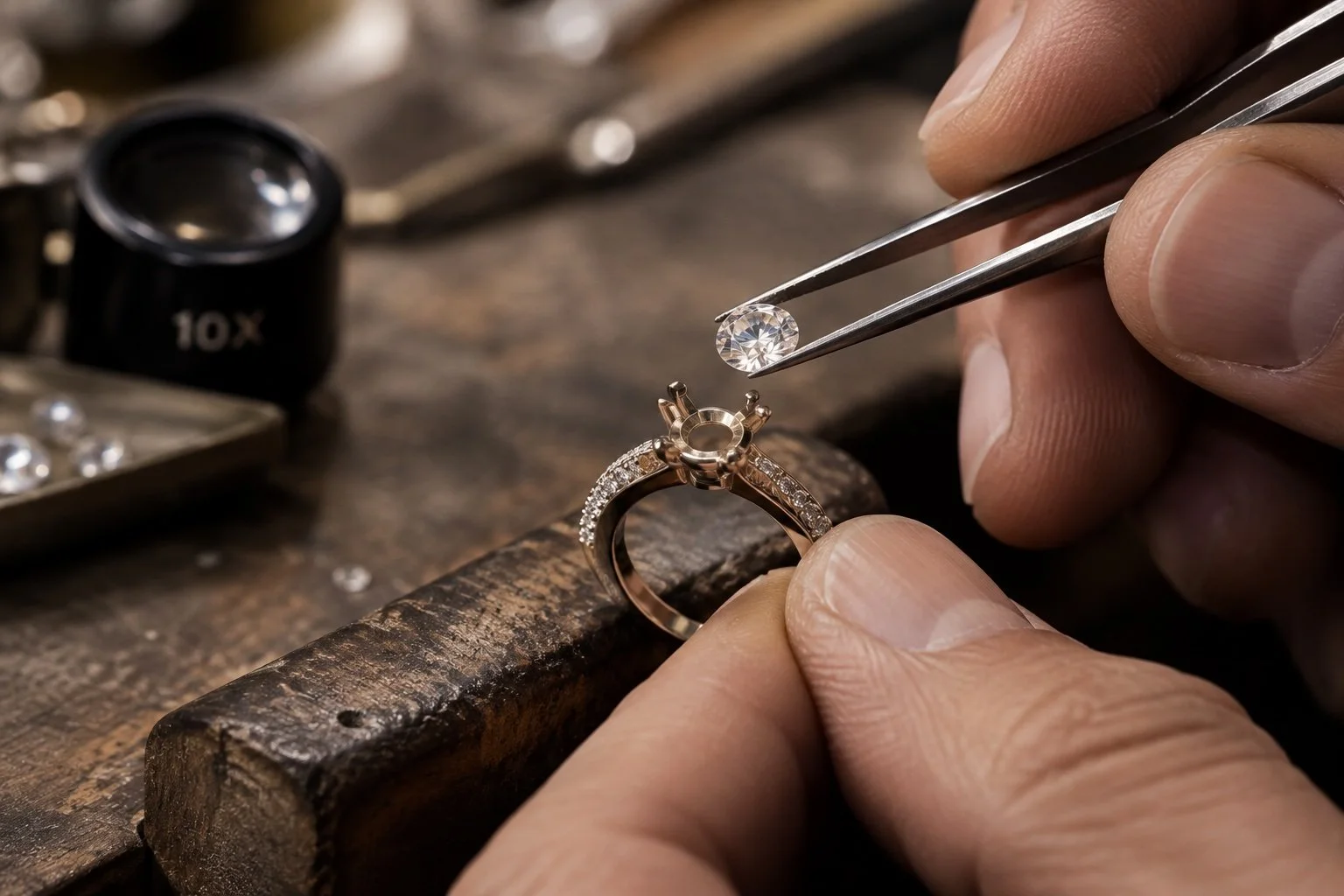
Regular Jewelry Maintenance Makes a Difference
Preventive care is one of the best ways to extend the life of your jewelry. Routine professional cleaning removes dirt and buildup, while inspections allow experienced jewelers to detect loose stones, worn prongs, damaged clasps, and other issues before they become major repairs.
At McGough & Company in Whitefish, we offer professional jewelry cleaning, inspections, repairs, appraisals, and custom jewelry services to help keep your treasured pieces in exceptional condition.
Trust McGough & Company for Expert Jewelry Repair and Care
Whether you wear your favorite jewelry every day or reserve it for special occasions, proper care helps preserve its beauty for years to come. If you notice a loose stone, damaged setting, broken chain, or signs of wear, the experienced team at McGough & Company is here to help.
Visit our Whitefish jewelry store for trusted jewelry repair, professional cleaning, and expert advice to keep your jewelry looking its very best.
Frequently Asked Questions
-
Scratches, loose gemstones, worn prongs, broken chains, and tarnished sterling silver are among the most common jewelry problems.
-
Most fine jewelry should be professionally inspected once or twice a year, especially engagement rings and pieces worn daily.
-
Yes. In most cases, professional jewelry cleaning and polishing can restore the appearance of tarnished sterling silver and other precious metals.
-
If you notice a loose stone, bent prongs, or damage to the band, have your ring inspected as soon as possible to prevent more costly repairs or the loss of a gemstone.